

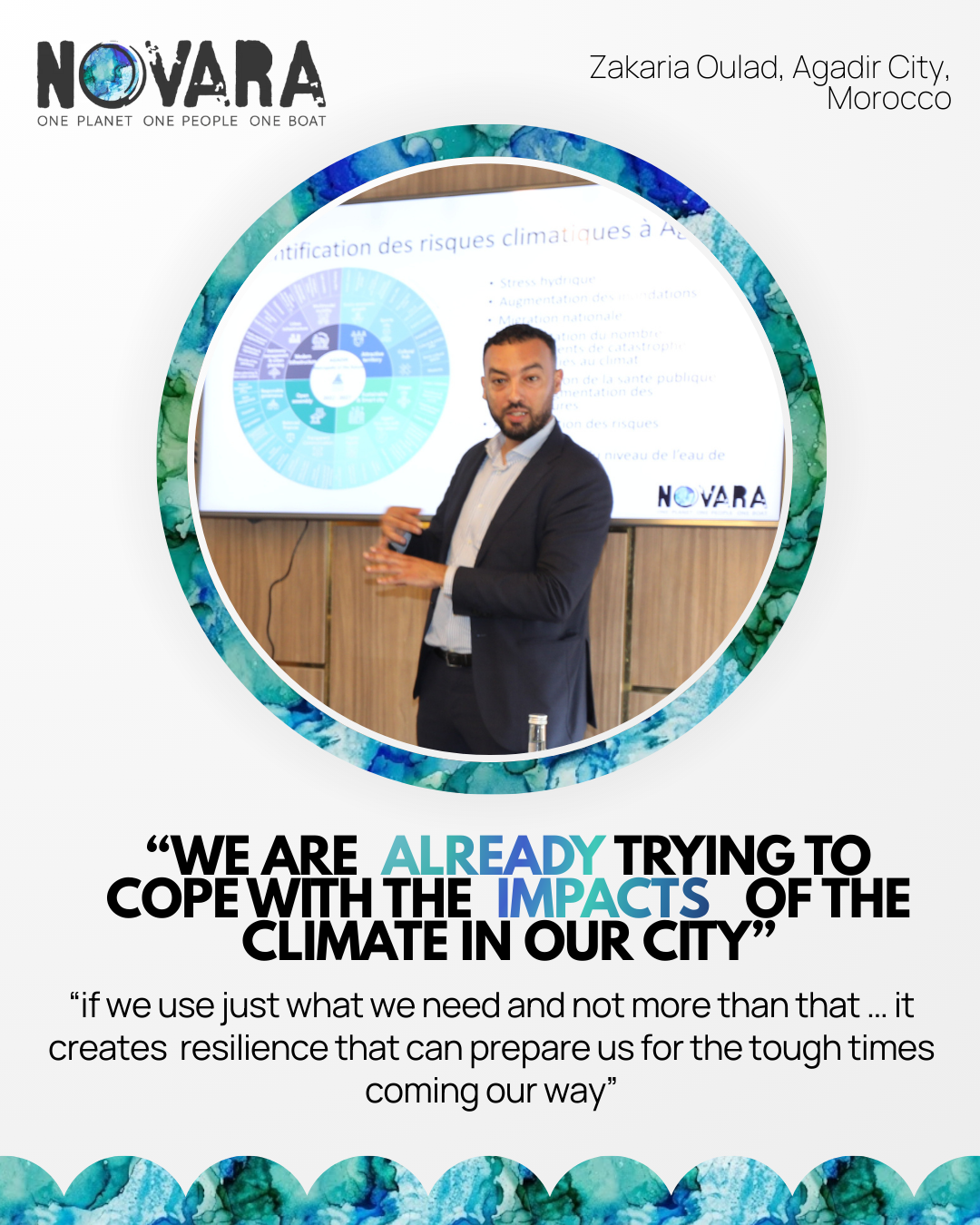
08 Feb Podcast – Zach Oulad from Agadir
Agadir: A Coastal City Adapting to Climate Change
In recent years, Agadir, Morocco, has become a focal point for discussions on climate resilience and adaptation. Known for its stunning beaches and rich Amazigh culture, the city faces unprecedented challenges due to climate change. This post dives into the insights shared during our recent podcast featuring Zach Oulad, a local leader who discusses the urgent need for community adaptation and innovative policies.
Understanding Agadir: A Cultural and Geographical Overview
Agadir is not just a vibrant coastal city; it is also the capital of the Amazigh people, a culture that spreads across North Africa. The city is characterized by its beautiful beaches, mild climate, and dynamic youth population, with one in four residents being university students. This youthful energy drives innovation and community initiatives, particularly in the face of climate challenges.
Climate Challenges Facing Agadir
The podcast highlights alarming climate changes in Agadir over the past decade. For instance, a record high of over 50.4 degrees Celsius was recorded in August 2023, shocking residents and devastating local flora and fauna. The extreme heat led to the death of long-standing trees and changed the landscape of the city dramatically. This event marked a significant turning point in the community’s approach to climate adaptation.
Agadir has been experiencing severe drought conditions for the last six to ten years, prompting the city to rely heavily on desalination for its water supply. With 70% of the city’s water now sourced from a newly opened desalination plant, policies have shifted dramatically. Irrigation of public green spaces with drinking water is prohibited, and they’re pursuing innovative solutions like using grey water for irrigation and implementing awareness campaigns to encourage residents to conserve water.
Policies for Sustainability
Local leaders have implemented several policies aimed at addressing water scarcity. Traditional baths, or hammams, are now only open twice a week to conserve water. Car washes have also been restricted to reduce water usage. Moreover, the city is transitioning to eco-friendly transportation systems, emphasizing public transit over personal vehicles to improve air quality.
Tourism and Water Awareness
Tourism plays a significant role in Agadir’s economy, and raising awareness among tourists about the local water crisis is essential. Hotels actively inform guests about the importance of water conservation and encourage them to be mindful of their usage during their stay. This initiative has become crucial in ensuring that the influx of tourists does not exacerbate the existing water scarcity.
The Road Ahead
As Agadir navigates the challenges posed by climate change, its leaders are committed to fostering a resilient community. By implementing innovative policies and raising awareness, they aim to create a sustainable future for both residents and visitors. The experiences shared in the podcast serve as a reminder of the collective responsibility we share in addressing climate change.
Key Takeaways:
- Agadir is facing unprecedented climate challenges, including extreme heat and water scarcity.
- The city has implemented innovative policies to conserve water and promote sustainability.
- Raising awareness among residents and tourists is essential for responsible water use.
- Agadir serves as a model for other coastal communities grappling with similar climate issues.
#Agadir #climatechange #water scarcity #sustainability #communityresilience #tourism #Morocco #Amazighculture #desalination #public awareness.
Listen to our podcast series on coastal community resilience ‘Stories on the edge’. Available on Apple, Spotify and YouTube. Join Veronica Lysaght and Dr Nigel Jollands as they talk with people from the coastal communities they’ve visited on their expedition schooner, Novara. Hear the inspiring and sometimes challenging stories of how communities deal with a changing climate. In a very real sense these are ‘stories on the edge’.
No Comments